


Tổng số bài đăng 474.
Singapore is prioritizing the protection of pharmaceutical supply chains in its ongoing tariff negotiations with the United States, demonstrating a flexible and strategic approach amid the escalating global trade tensions initiated by the administration of President Donald Trump.
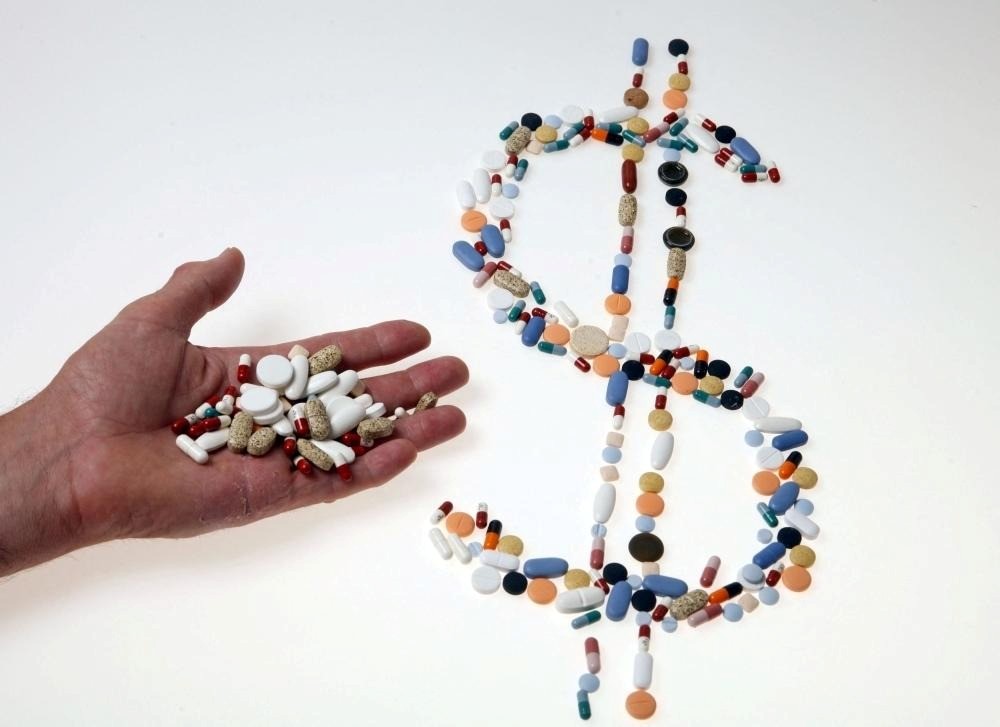
As the trade war between the U.S. and major economies intensifies, Singapore-a highly trade-dependent nation-has taken a notably proactive stance by placing pharmaceutical supply chains at the core of its discussions with the U.S. Department of Commerce.
Speaking at a recent press briefing, Deputy Prime Minister Gan Kim Yong emphasized that pharmaceuticals involve very long and complex supply chains. He also reveals that Singapore is in discussions with the United States to ensure that trade in this sector between the two countries continues to flow smoothly.
Protecting a Strategic Export Sector
Singapore’s special focus on pharmaceuticals stems from the fact that the sector accounts for more than 10% of its total exports to the United States. Global pharmaceutical giants such as Pfizer, Amgen, and Merck operate major production facilities in Singapore. Any disruption due to tariffs would therefore have a far-reaching impact on the country's economy.
Meanwhile, the Trump administration is considering imposing tariffs of up to 200% on pharmaceutical products manufactured overseas—a move that could severely disrupt global supply chains. Although Singapore has not yet received an official notification from the U.S. in this round of tariffs, its exports remain subject to a 10% baseline tariff since April, despite the U.S.-Singapore Free Trade Agreement that has been in effect since 2004.
Concerns over Spillover to Other Key Sectors
Beyond pharmaceuticals, Singapore has also voiced concerns over the potential expansion of U.S. tariffs to other sectors such as semiconductors and consumer electronics—industries that make up around 40% of its exports to the U.S. President Trump’s announcement of a 50% tariff on copper, along with threats of new tariffs on semiconductors and pharmaceuticals, has further unsettled global markets.
Deputy Prime Minister Gan acknowledged that semiconductors—where Singapore contributes roughly 10% of global production—“is something that will be in the back of our mind,” With major tech firms like Intel, Micron, and Applied Materials operating in the country, Singapore could be significantly affected if the scope of U.S. trade policies continues to widen.
Active Engagement and Domestic Support
In response, Mr. Gan announced plans to visit the United States in July to better understand Washington’s trade priorities and seek common ground. At the same time, Singapore has unveiled a new grant program set to launch in October to support businesses with overseas operations, with a particular focus on small and medium-sized enterprises (SMEs), which account for about two-thirds of the domestic workforce.
Economy Faces Recession Risks
Singapore’s caution extends beyond trade diplomacy. The government is prepared to revise its growth forecasts in light of external pressures. It recently flagged the risk of a technical recession after reporting a 0.6% GDP contraction in the first quarter of 2025.
Singapore’s response to evolving U.S. trade policy is more than just reactive. It is a multi-layered strategy combining diplomatic engagement, protection of critical export sectors, and efforts to enhance the resilience of its private sector. In a world being reshaped by supply chain realignments, Singapore is striving to maintain its status as a global manufacturing and trade hub through timely and targeted actions.
Source: Compiled by the Multilateral Trade Policy Department, Ministry of Industry and Trade of Viet Nam