


Tổng số bài đăng 474.
The fast-moving consumer goods (FMCG) sector is emerging as a key growth driver for ASEAN, supported by a population of over 670 million, rising incomes, and rapid urbanization. Major markets such as Indonesia, the Philippines, Vietnam, Thailand, Malaysia, and Singapore continue to see strong consumer demand, while Cambodia, Laos, Brunei, and Myanmar are also expanding. Regional integration through the ASEAN Customs Transit System (ACTS), the Authorized Economic Operator Mutual Recognition Arrangement (AAMRA), cross-border e-commerce, and digital payments helps reduce costs and strengthen connectivity. Combined with global demand for competitively priced and sustainable products, ASEAN is well positioned to become a major FMCG hub in the future.
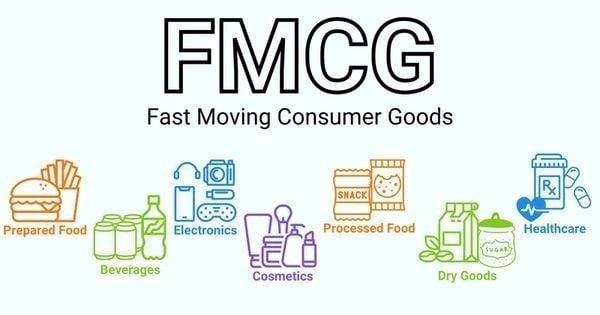
The fast-moving consumer goods (FMCG) sector is becoming an important driver of ASEAN’s economic growth, supported by its population of more than 670 million, rising incomes, and rapid urbanization. With a total GDP exceeding USD 3.9 trillion, ASEAN remains one of the world’s most attractive consumer markets. In 2025, the region’s FMCG value growth surpassed 4%, higher than the Asia-wide average, reflecting resilient consumption and strong recovery despite global volatility.
All ASEAN markets have reported positive momentum. Indonesia, the region’s most populous economy, continues to lead FMCG demand thanks to strong local brands and fast-growing e-commerce. The Philippines benefits from a large food-processing industry and stable consumption. Vietnam stands out with a strong shift toward premium products, driving a market valued at USD 24–28 billion. Thailand maintains its role as a major food-processing and export hub, while Malaysia retains leadership in the halal FMCG segment. Singapore serves as the region’s center for innovation, R&D, and logistics. Emerging markets such as Cambodia, Laos, Brunei, and Myanmar are also recording rising consumption, collectively shaping ASEAN’s dynamic FMCG landscape.
Regional economic integration plays a vital role in supporting FMCG development. Initiatives such as the ASEAN Customs Transit System (ACTS), the Authorized Economic Operator Mutual Recognition Arrangement (AAMRA), cross-border e-commerce facilitation, and digital payments have reduced transaction costs, simplified procedures, and strengthened supply-chain connectivity. These improvements are particularly critical for FMCG, a sector that relies on rapid distribution, cost efficiency, and wide market access.
Amid global efforts to diversify supply sources and growing demand for culturally distinctive, competitively priced products, ASEAN FMCG firms are well positioned to expand internationally. Processed foods, beverages, halal products, personal-care items, and sustainable goods all hold significant potential. Companies such as Vinamilk, Indomie, Thai Union, and F&N show that ASEAN businesses can compete globally and build strong international brand presence.
To boost competitiveness, ASEAN must continue harmonizing standards related to food safety, labeling, packaging, and halal certification; strengthen logistics and e-commerce connectivity; enhance product traceability; and support SMEs in meeting export requirements. At the same time, rising global demand for sustainable consumption creates opportunities for eco-friendly products, recyclable packaging, and low-carbon supply chains.
Overall, with a large consumer base, strong domestic companies, and advancing regional integration, ASEAN has a clear opportunity to become a globally influential FMCG hub. If the region capitalizes on its strengths and continues to deepen economic linkages, the FMCG sector will become one of the key pillars supporting ASEAN’s ascent in global value chains.
Source: Compiled by the Multilateral Trade Policy Department, Ministry of Industry and Trade of Viet Nam