

Tổng số bài đăng 474.
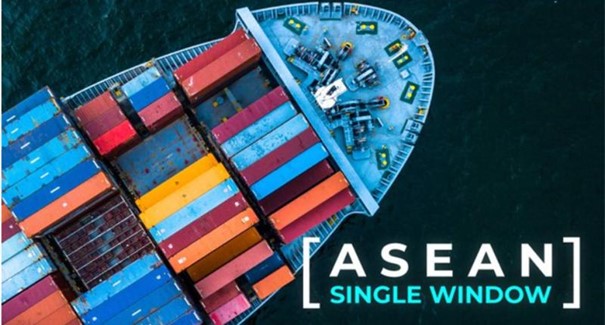
The ASEAN Single Window (ASW) is an important initiative of ASEAN to promote regional economic integration, facilitate trade and enhance connectivity among ASEAN Member States. With the aim of reducing time, costs and improving efficiency in handling customs and trade procedures, the ASW is built on the basis of integrating the National Single Window (NSW) of ASEAN countries.
Current implementation status
Since its full operation in 2019, all ASEAN Member States have connected and conducted electronic data exchange through the ASW, mainly focusing on the exchange of electronic Certificates of Origin (e-Form D) under the ATIGA. In addition, 09 ASEAN countries (except Laos) have officially exchanged ASEAN Customs Declaration Data (ACDD) through the ASEAN Single Window. Indonesia, the Philippines and Thailand have officially exchanged electronic Phytosanitary Certificates (e-Phyto) through the ASEAN Single Window, while Malaysia is in the testing phase and is expected to officially exchange in the second quarter of 2025. According to statistics, the implementation of the ASEAN Single Window has helped ASEAN businesses save more than 6.4 billion USD, reduce the average transit time of four days per transaction and facilitate the exchange of more than 4 million electronic documents.
To facilitate the exchange of electronic trade-related documents with Dialogue Partners (DPs) through the ASW, AMS have identified a list of technologies that could potentially be enhanced in the ASW and are discussing the Generic Legal Template which would establish the baseline legal provisions required for Single Window cooperation.
Many ASEAN countries have actively upgraded the NSW system, ensuring effective connectivity and integration with the ASW platform.
The implementation of ASW has significantly contributed to simplifying import and export processes, increasing transparency and reducing non-tariff trade barriers in the region.
Despite significant progress, ASW deployment still faces several challenges such as:
(i) Technology synchronization: Differences in technology development levels among ASEAN countries make it difficult to integrate and connect systems.
(ii) Regulatory harmonization: Inconsistency in regulations and document processing procedures between countries reduces the effectiveness of the mechanism.
(iii) Limited resources: Some countries do not have sufficient financial, human or technical infrastructure resources to upgrade the NSW system.
Possibility of upgrading to the new generation ASEAN Single Window
With the rapid development of digital technology and the rapidly growing demand for paperless cross-border trade, ASW has revealed certain limitations. Recognizing the current limitations of ASW and the expansion of the work being done within ASEAN and globally on paperless trade, ASEAN is conducting a Study on the Next Generation ASEAN Single Window to identify the limitations and propose new and comprehensive solutions to enable ASW to interact with other platforms, thereby connecting ASEAN to the cross-border paperless trade ecosystem with its external trading partners. This is one of Laos’ priority economic deliverables during her ASEAN Chairmanship in 2024.
It is expected that the Study on the Next Generation ASEAN Single Window will review relevant global practices and recommendations, compare them with existing ASEAN practices, and then analyze and make recommendations in three aspects: (i) policy, (ii) technical (interoperability), and (iii) legal. The study is expected to be completed by the ASEAN Single Window Steering Committee (ASWSC) in 2024, before being submitted to the ASEAN Economic Ministers and ASEAN Finance Ministers for notation.
In the event that the next-generation ASW is built, it is expected to bring outstanding benefits, including significantly reducing customs clearance times, increasing the reliability of trade data, and promoting closer connections among ASEAN countries. This is also a major step forward in building a modern, innovative and sustainable ASEAN Economic Community (AEC). Therefore, ASEAN needs to strengthen cooperation, investment and experience sharing among member countries to ensure the success of this initiative, contributing to the realization of the ASEAN Community Vision 2045.