

Tổng số bài đăng 476.
The IMF stated that reducing non-tariff barriers could boost ASEAN’s GDP by 4.3% and create around four million new jobs if supported by effective labour policies. At the 47th ASEAN Summit, Kristalina Georgieva emphasized that trade liberalization, upgrading ATIGA, strengthening financial integration, and advancing technological cooperation would drive growth, enhance competitiveness, and improve the region’s economic resilience.
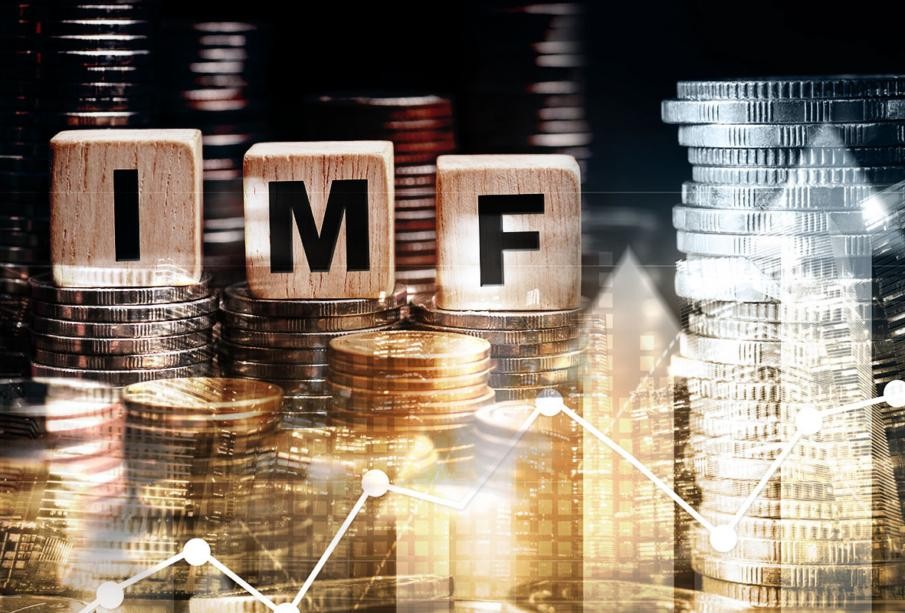
According to the International Monetary Fund (IMF), reducing non-tariff barriers could raise ASEAN’s gross domestic product (GDP) by 4.3% in the long term, which is equivalent to adding more than one-third of Malaysia’s current GDP to the region’s economy and generating about four million new jobs if supported by effective labour market reforms. IMF Managing Director Kristalina Georgieva highlighted at the 47th ASEAN Summit in Kuala Lumpur that intra-ASEAN trade currently accounts for just over 20% of total trade, mainly in intermediate goods, compared to 60% in the European Union, where final goods dominate. She emphasized that dismantling trade barriers would accelerate economic growth and enhance competitiveness.
Georgieva endorsed ongoing efforts to upgrade the ASEAN Trade in Goods Agreement (ATIGA) and encouraged similar liberalization in the services sector, together with deeper financial integration and transformative regional investments. She also called for expanded technological collaboration, especially in digital infrastructure and artificial intelligence (AI), recognizing Singapore’s global leadership and the progress made by Malaysia, Thailand, and Indonesia.
The IMF projects global growth at 3.2% in 2025 and 3.1% in 2026, while ASEAN’s growth is expected to remain stronger at 4.3% for both years. Although these figures are below historical averages, Georgieva noted they surpass earlier expectations. She attributed ASEAN’s resilience to sound macroeconomic fundamentals, such as independent central banks, inflation-targeting policies, and fiscal discipline, along with the adaptability of the private sector and strengthened regional cooperation. She concluded that ASEAN’s vibrant private sector and commitment to reform provide strong foundations for advancing trade, financial, and technological integration in the years ahead.
Source: Compiled by the Multilateral Trade Policy Department, Ministry of Industry and Trade of Viet Nam