

Total number of posts 494.
Since early 2025, China has significantly tightened its import regulations on Vietnamese durians after detecting excessive levels of alkaline yellow and cadmium—two substances that pose potential health risks. New measures include mandatory batch-by-batch food safety checks, certified testing reports prior to export, and the suspension of export rights for violating exporters. These stricter rules have led to a 45% drop in Viet Nam’s fresh durian exports to China in the first half of 2025, posing major challenges for Viet Nam in maintaining its foothold in this lucrative but highly demanding market.
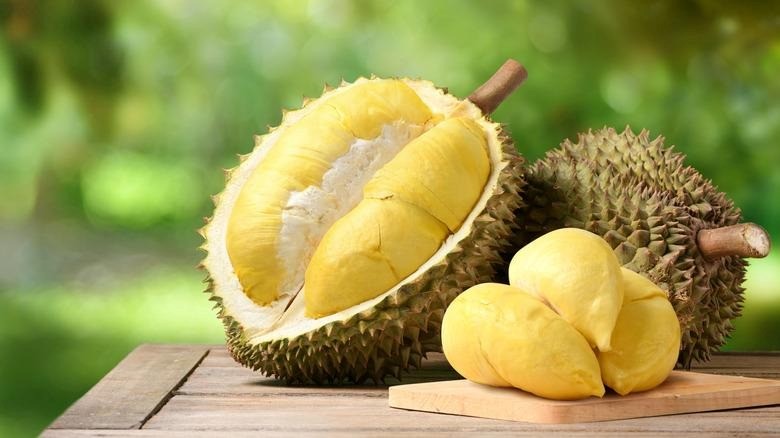
China is the world’s largest consumer of durians, with prices reaching up to 200 yuan (around USD 29) per 6kg fruit. In recent years, Vietnam has risen to compete with Thailand as a key supplier of durians to China. However, since the beginning of 2025, China’s General Administration of Customs (GACC) has applied stricter controls on Vietnamese durians after detecting “excessive” levels of alkaline yellow—a potentially toxic organic compound—and cadmium, a heavy metal that can harm the liver and kidneys if accumulated in the body.
To protect public health, the GACC immediately implemented food safety risk prevention measures, requiring mandatory batch-by-batch inspections and “qualified” test results to be attached before export. Any shipments failing to meet the standards will be returned or destroyed, and the violating companies will have their export rights suspended.
This tightening of controls reflects China’s increasing emphasis on food safety and highlights the challenges faced by Viet Nam’s agricultural exporters, especially in the durian sector. According to Chinese customs data, the value of Viet Nam’s fresh durian exports to China fell by about 45% in the first half of 2025, reaching only USD 611.5 million. This significant drop clearly demonstrates the negative impact of the stricter measures. Many shipments were rejected at border gates for failing to meet the standards. This situation not only affects exporters’ revenues but also causes stockpiles of unsold products, economic losses for farmers, and disruptions in Vietnam’s durian supply chain. Some underlying causes include a lack of testing facilities near growing areas and limited ability among farmers and businesses to fully comply with Chinese regulations.
China’s enhanced quality control not only impacts trade flow but also underscores the urgent need for Viet Nam to strengthen its quality control capacity at the source—particularly in testing systems, traceability mechanisms, and farmer training in safe production practices. This situation serves as a wake-up call for building a more sustainable agricultural value chain based on quality rather than quantity or reliance on lenient markets.
Amid intensifying competition from Thailand, Malaysia, the Philippines, and Cambodia—all of which are also authorized to export fresh durians to China—Viet Nam must swiftly improve its regulatory compliance capacity, modernize its testing systems, and strengthen the role of local authorities in order to maintain and expand its market share in this high-potential market.
China’s tightening of durian import regulations is a clear reminder of the importance of quality and the need to proactively adapt to high-standard markets. If Viet Nam can seize this opportunity to raise its production standards, it could become a powerful driver for the country’s durian sector to develop sustainably and move further up the global value chain.
Source: Compiled by the Multilateral Trade Policy Department, Ministry of Industry and Trade of Viet Nam