

Total number of posts 495.
HANOI, 16 JUNE 2026 - The Ministry of Industry and Trade of Viet Nam (MoIT), in partnership with the Regional Trade for Development (RT4D) initiative and the Mekong-Australia Partnership (MAP), is co-hosting two national workshops on “Strengthening Business Capacity and Understanding of the Regional Comprehensive Economic Partnership (RCEP) Agreement” in Ha Noi on 16 June 2026 and Ho Chi Minh City on 18 June 2026.
RT4D, funded by the Governments of both Australia and New Zealand, assists ASEAN Member States in meeting their commitments and realising the advantages offered by the Agreement establishing the ASEAN-Australia-New Zealand Free Trade Area (AANZFTA), and the Regional Comprehensive Economic Partnership (RCEP) Agreement.
The workshops form part of the project “Promoting RCEP Utilisation, especially in Digital Trade, through Private Sector and Inclusive Engagement”, implemented under RT4D’s RCEP Implementation Support Program (RISP) with support from MAP. The initiative aims to strengthen the capacity of Vietnamese enterprises, particularly MSMEs, to better understand and utilise RCEP commitments, with a focus on women-led enterprises, businesses led by people with disability, and other vulnerable groups. In doing so, it aims to expand regional trade opportunities for Vietnamese enterprises and enhance economic resilience.
Each workshop is expected to bring together more than 100 participants, including representatives from enterprises, government agencies, business associations, research institutions, development partners, and the Australian and New Zealand Embassies, alongside the RT4D Facility, reflecting the broad partnership supporting practical and inclusive RCEP utilisation in Viet Nam.
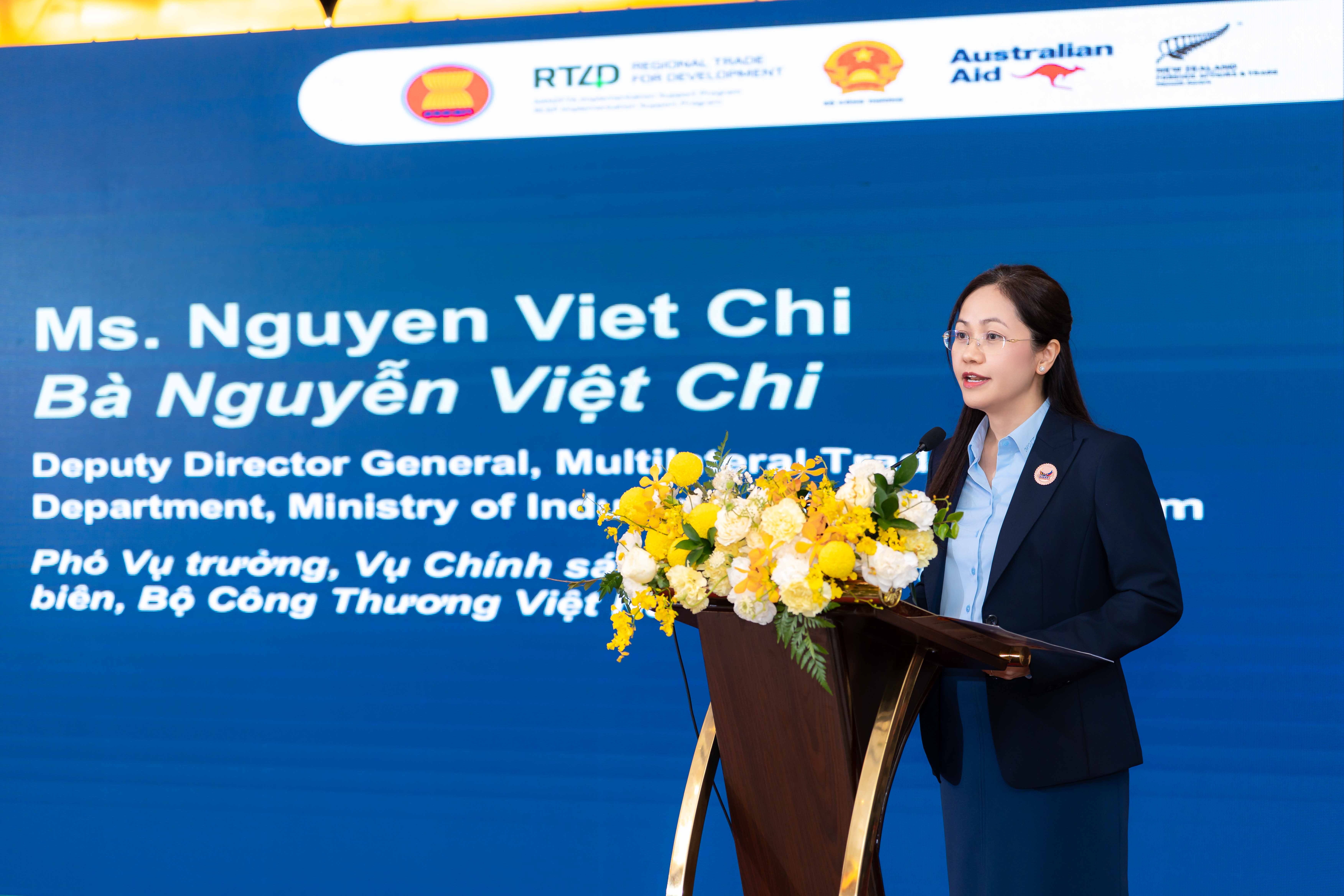
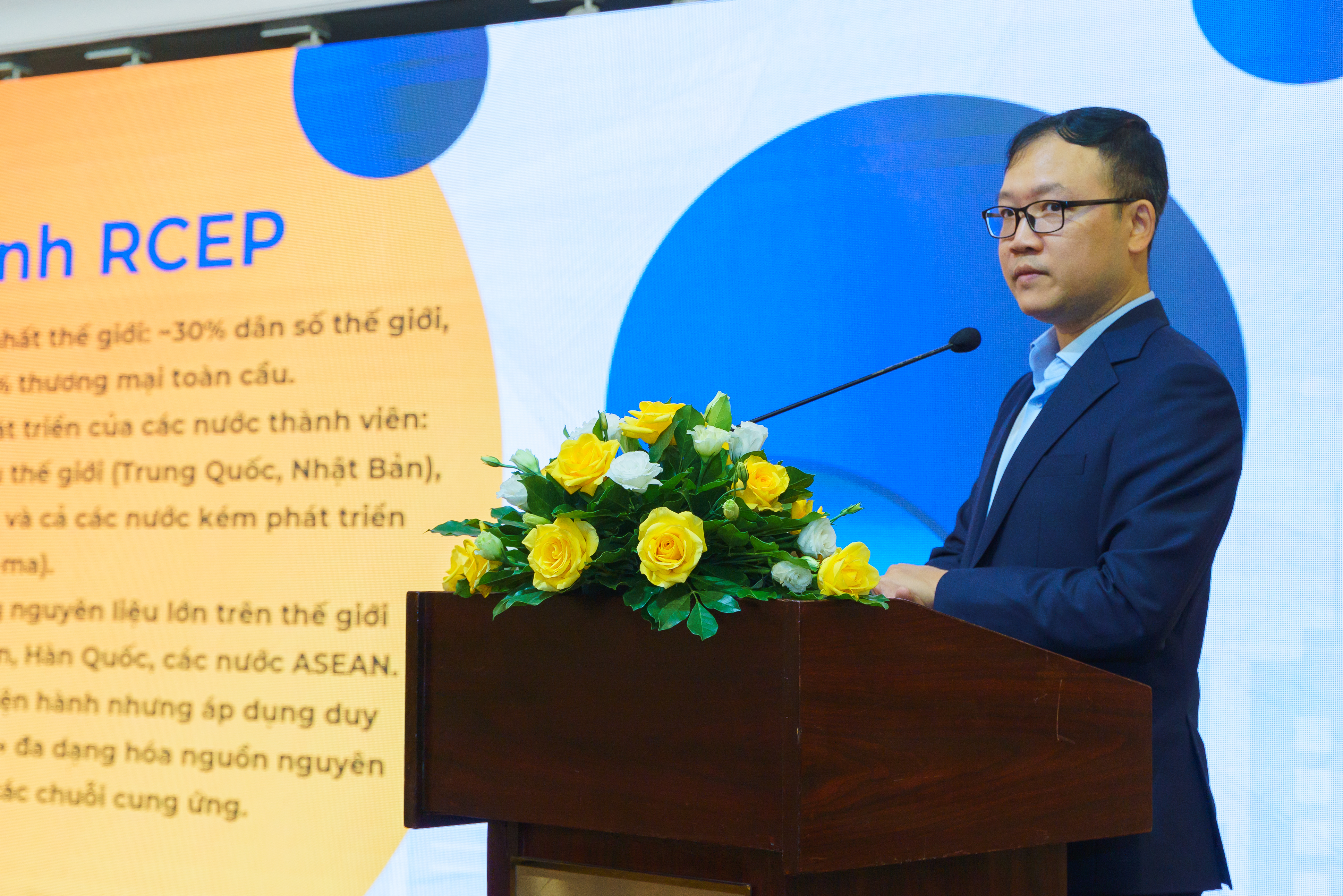
Speaking at the opening session, Ms. Nguyen Viet Chi, Deputy Director General of the Multilateral Trade Policy Department of the MoIT reaffirmed the strategic importance of RCEP for Viet Nam’s trade and investment landscape, and emphasized the Government’s commitment to ensuring that businesses, especially MSMEs, including women-led enterprises, enterprises led by people with disabilities, and other vulnerable groups can effectively access and benefit from RCEP’s market-opening opportunities.
Both workshops are designed to translate RCEP commitments into practical and actionable knowledge for businesses. The programmes feature updates on RCEP implementation in Viet Nam, as well as findings from an enterprise survey on RCEP utilisation. Participants are also engaged in technical and interactive group discussions on key RCEP-related issues, including Rules of Origin, trade-related compliance requirements, and sector-specific business scenarios. In addition, the workshops generate practical recommendations to strengthen business uptake, competitiveness, and market access opportunities under the Agreement.
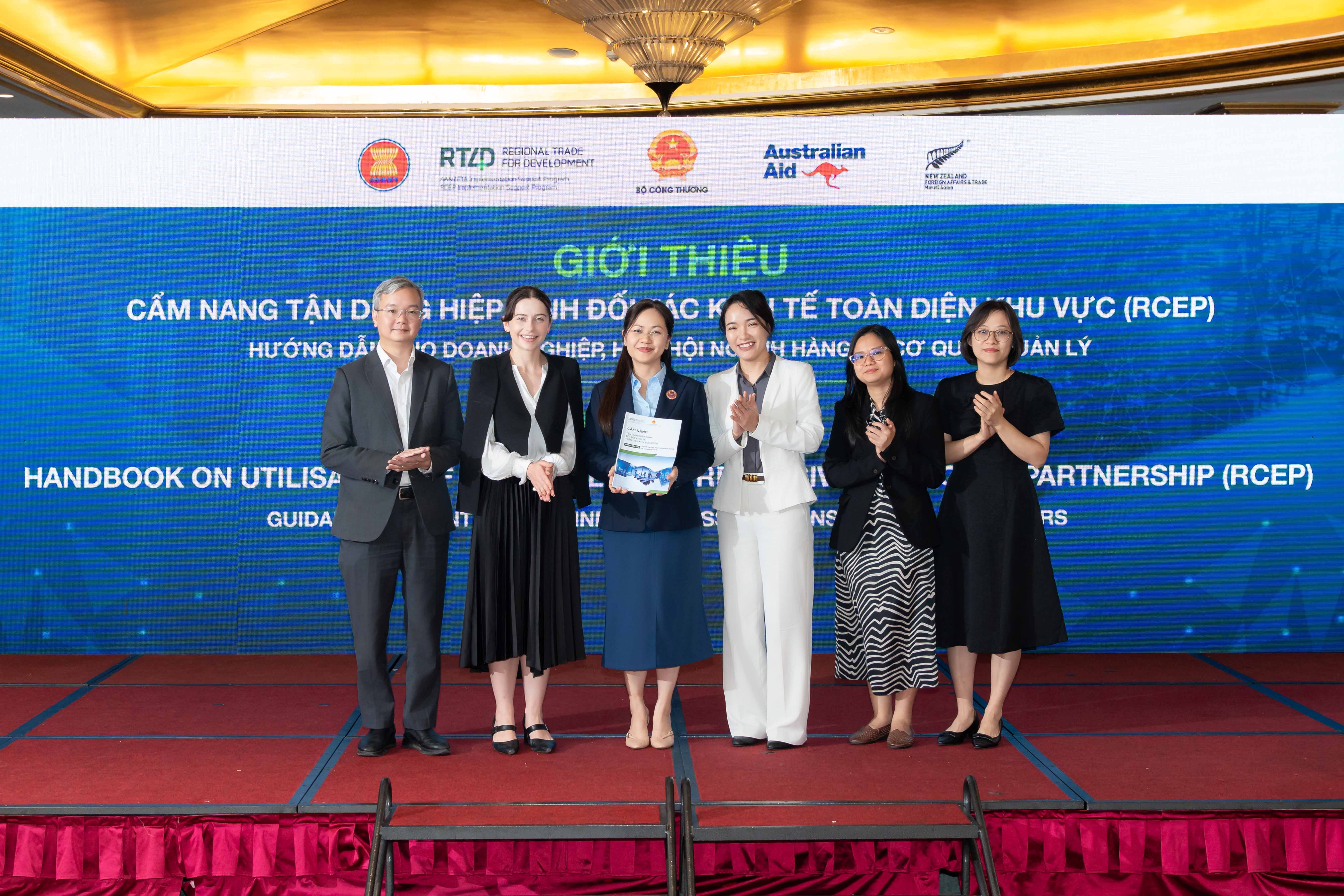
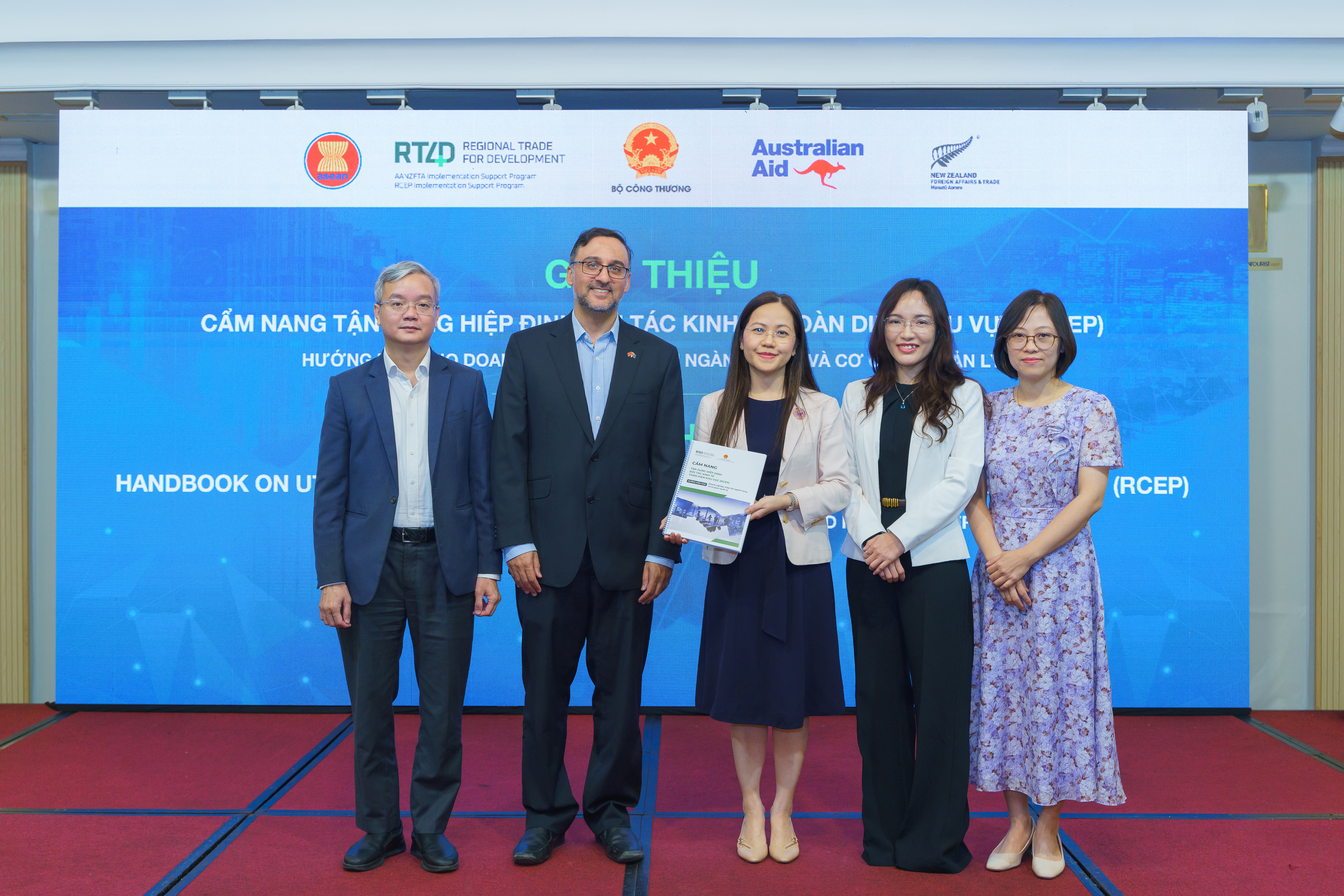
A key highlight is the official launch of the RCEP Utilisation Handbook. Developed as part of the project with contributions from a wide range of stakeholders, the Handbook serves as a practical reference tool to help Vietnamese enterprises better navigate and utilise RCEP provisions in their day-to-day trade operations, including guidance relevant to export procedures, market access, and regional trade opportunities.
A representative from RT4D shared that RT4D is pleased to support the workshops as part of its ongoing collaboration with MoIT to strengthen RCEP awareness and utilisation among Vietnamese enterprises.
“We hope the practical knowledge and resources shared through the workshops, including the RCEP Utilisation Handbook, will serve as useful references for businesses as they navigate regional trade opportunities,” the representative added.
On the importance of regional cooperation under RCEP, Ms Caroline Beresford, Ambassador of New Zealand to Viet Nam, highlighted: “New Zealand, Australia and Viet Nam are active supporters of regional trade integration. The Regional Comprehensive Economic Partnership, or RCEP, is an example of what can be achieved when we work together to build an open, inclusive, and rules-based trading system.
Reflecting the inclusive and business-oriented focus of the workshops, Ms Renée Deschamps, Deputy Head of Mission, Australian Embassy in Viet Nam, noted: “Australia is proud to support Viet Nam in strengthening the practical capacity needed to maximise the benefits of RCEP. When businesses, particularly MSMEs and women-led enterprises, can effectively access and utilise trade agreements, the gains from regional integration are more inclusive.”
The workshops reinforce the strong partnership among MoIT, RT4D, and the private sector in advancing practical and inclusive RCEP utilisation in Viet Nam. By bringing together policymakers, businesses, industry associations, and development partners, the workshops – and the project more broadly – provide a valuable platform for dialogue, knowledge sharing, and collaboration, helping to ensure that the benefits of RCEP are widely accessible and inclusive, thereby contributing to greater economic resilience.
About Regional Trade for Development (RT4D)
The AUD 53.3 million Regional Trade for Development (RT4D) initiative, funded by both the Governments of Australia and New Zealand, assists ASEAN Member States (AMS) in meeting their commitments and realising the advantages offered by the Agreement establishing the ASEAN-Australia-New Zealand Free Trade Area (AANZFTA), and the Regional Comprehensive Economic Partnership (RCEP). RT4D supports AMS in benefitting from an open, free and rules-based trading system.
Through the AANZFTA Implementation Support Program (AISP) and the RCEP Implementation Support Program (RISP), RT4D provides tailored support to enhance the capabilities of ASEAN Member States by strengthening skills, building networks, facilitating policy options and ensuring that trade benefits everyone, including Micro, Small and Medium Enterprises (MSMEs), women and people with disabilities.
The Regional Trade for Development Initiative:
- provides ASEAN with access to world-class technical expertise to support economic cooperation activities.
- delivers economic cooperation activities, working closely with ASEAN Member States and ASEAN Secretariat.
- has a strong focus on less developed ASEAN economies to ensure that it responds to the different needs and readiness of ASEAN.
- facilitates implementation of the provisions of selected FTAs to support inclusive development outcomes.
Source: Compiled by the Multilateral Trade Policy Department, Ministry of Industry and Trade of Viet Nam