


Total number of posts 494.
ASEAN is advancing its regional digital economic integration through the Unique Business Identification Number (UBIN), an initiative designed to remove long-standing barriers to cross-border trade and strengthen trust among businesses across the region. UBIN aims to establish a fully interoperable digital identification system for all ASEAN enterprises, enabling real-time verification. Once fully implemented, UBIN is expected to generate USD 110–300 billion in economic value, enhance trade flows, reduce transaction costs, and expand opportunities for micro, small, and medium-sized enterprises (MSMEs), especially women-owned businesses.
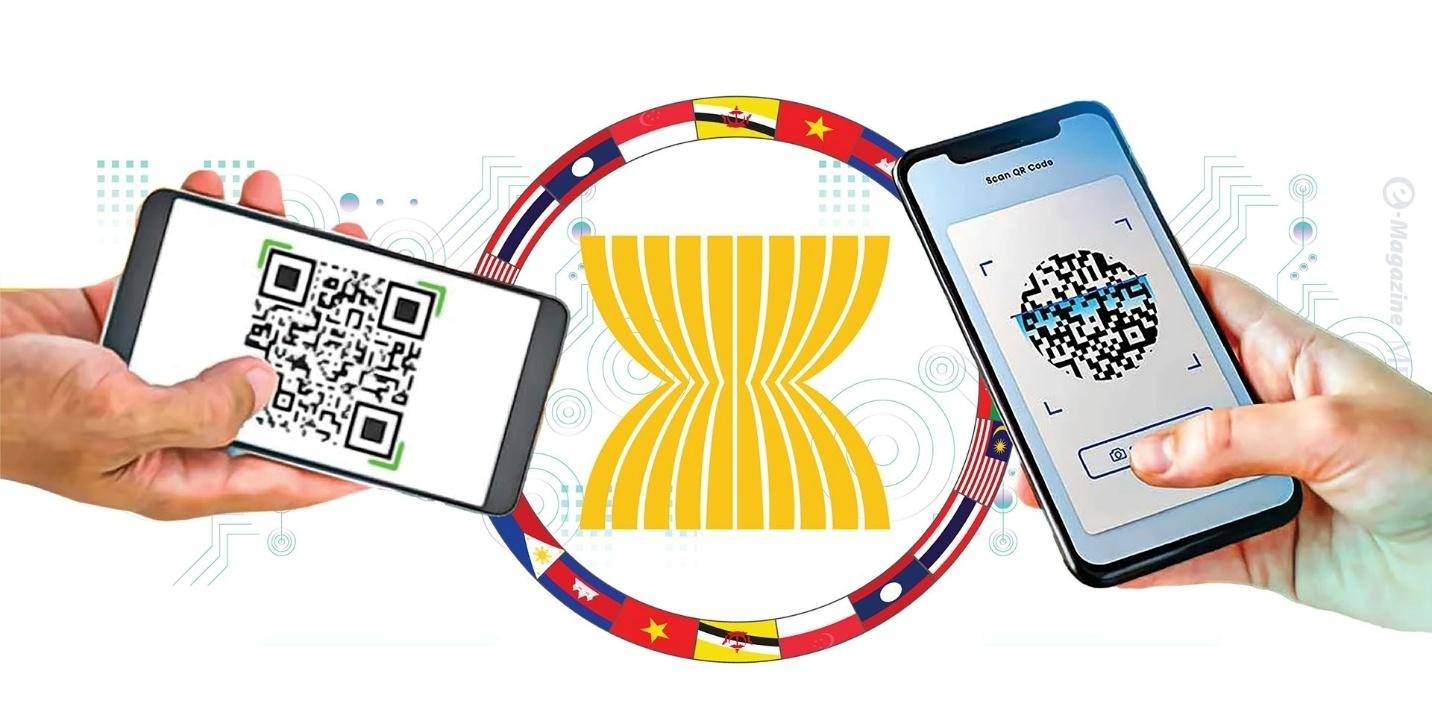
ASEAN is rapidly promoting digital economic integration through the Unique Business Identification Number (UBIN) initiative, which is expected to be implemented following the adoption of its Implementation Roadmap in early 2025. ASEAN Secretary-General Kao Kim Hourn emphasized that digital connectivity has become essential economic and social infrastructure for the region, and UBIN will help remove long-standing obstacles to cross-border trade while strengthening trust in business transactions among ASEAN Member States.
UBIN is designed to establish a business identification system that is interoperable across all ASEAN countries, enabling real-time verification of business information and supporting seamless digital transactions. The UBIN framework consists of five components: data, technology, governance, legal and regulatory alignment, and implementation-support programs. This initiative builds upon commitments under the Bandar Seri Begawan Roadmap and the development of the ASEAN Digital Economy Framework Agreement (DEFA).
According to an analysis by the Boston Consulting Group, full implementation of UBIN could generate between USD 110 billion and USD 300 billion in economic value for ASEAN, equivalent to 10–25% of DEFA’s projected value-added, by boosting cross-border trade, lowering transaction costs, and attracting additional foreign investment.
A core objective of UBIN is to promote inclusive growth. MSMEs account for 97–99% of all ASEAN businesses but only 18% participate in export activities, as they face obstacles such as complex procedures, inconsistent foreign regulations, and limited trust in international transactions. UBIN aims to address these challenges through use cases such as enterprise search, standardized data sharing, and digital authentication of trade documents, increasing transparency and reducing compliance costs. This is particularly important for women-owned businesses, which often face greater barriers to credit access and legal procedures.
With a five-phase implementation roadmap, UBIN seeks to establish a shared digital infrastructure that supports a unified, trusted, and interconnected business environment in ASEAN. This is expected to expand trade opportunities for enterprises of all sizes and solidify ASEAN’s position as a dynamic global hub for the digital economy.
Source: Compiled by the Multilateral Trade Policy Department, Ministry of Industry and Trade of Viet Nam