

Total number of posts 491.
The ongoing conflict between Iran and the United States is severely disrupting shipping routes in the Middle East, leading more vessels to reroute or stop in Singapore. According to data from the Maritime and Port Authority of Singapore (MPA), total vessel arrivals in April 2026 reached 10,873 calls, up 3% year-on-year, following 11,591 vessel calls in March, which marked an 8.7% increase from a year earlier.
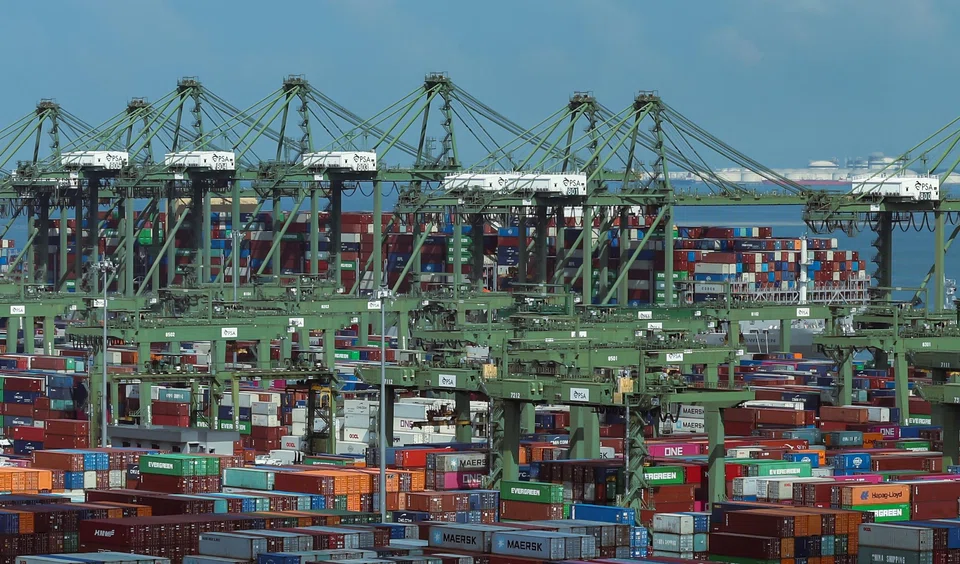
Photo: Port of Singapore (Source: YEN MENG JIIN, BT)
However, fewer ships are arriving specifically for bunkering. In April, only 3,438 vessels listed bunkering as their main purpose, slightly lower than 3,504 vessels in the same period last year. Marine fuel sales also fell 1.2% year-on-year to 4.35 million tonnes. This decline is largely attributed to extreme fuel price volatility, prompting shipowners to purchase only the fuel needed for immediate voyages rather than stockpiling.
Industry experts noted that many shipping operators have adopted “slow steaming” strategies to conserve fuel, which further reduces refueling demand. Suppliers are also limiting large forward purchases due to heightened price risks. Prices for very low sulphur fuel oil in Singapore surged by more than 180% in early March amid the Middle East crisis, although prices have moderated somewhat in recent weeks.
Despite weaker bunker sales, Singapore continues to strengthen its position as the world’s leading bunkering hub thanks to its strategic location along the Strait of Malacca, strong port infrastructure, diversified fuel supply network, and regulatory reliability. As disruptions affect the Strait of Hormuz and Fujairah, Singapore has emerged as a safer and more dependable alternative for vessels operating between Asia, Europe, and the Middle East.
Source: Compiled by the Multilateral Trade Policy Department, Ministry of Industry and Trade of Viet Nam