

Total number of posts 491.
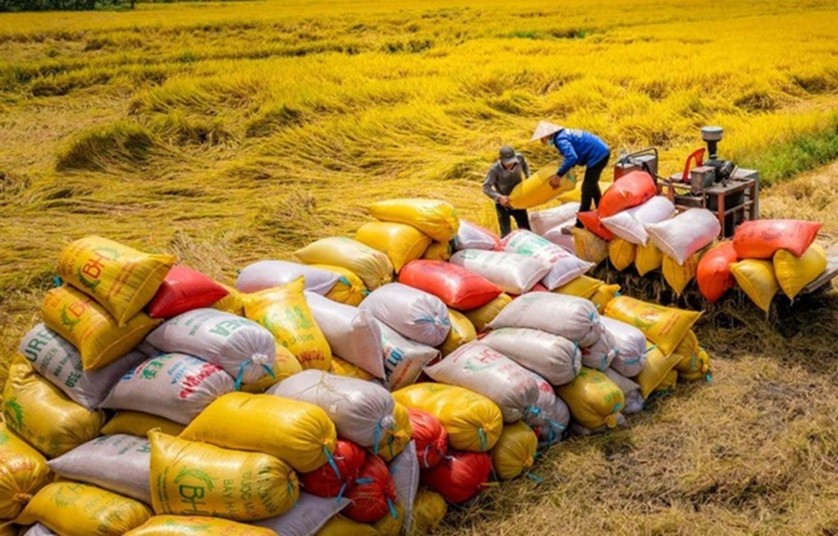
Viet Nam’s rice exports in 2026 are expected to recover due to better utilisation of free trade agreements and stronger efforts to standardise high quality raw material areas. This direction is considered essential after a turbulent 2025, during which both export volume and value declined sharply.
Data from the Viet Nam Customs shows that in the first 11 months of 2025, the country exported more than 7.53 million tonnes of rice worth approximately 3.85 billion USD. The average export price reached 511.09 USD per tonne, down 10.9% in volume and 27.4% in value compared to the same period in 2024, which was the record year for rice exports.
By market, shipments to Indonesia fell steeply by nearly 96.38% and to Malaysia by 32.5%. However, sharp increases in Ghana (up 52.64%), China (up 165.14%), Bangladesh (up 238.48 times) and Senegal (up around 73 times) helped offset much of the decline from Indonesia, Cuba and Malaysia.
As of October 2025, Viet Nam’s export structure continued to be dominated by high quality white rice and fragrant rice varieties, which together accounted for about 69 percent of total export volume.
Export performance in recent months has faced multiple challenges due to escalating geopolitical instability in several regions, inflation remaining high despite a downward trend, and the slow recovery of global trade and investment. Tight monetary policies in major economies have also placed considerable pressure on exchange rates and financial markets in developing countries. Weak consumer demand, rising protectionism and stricter requirements on safety, sustainability and climate response from developed markets have further weighed on export activities.
Looking ahead to 2026, representatives of the Ministry of Agriculture and Environment (Department of Crop Production and Plant Protection) expect rice output to reach about 43 million tonnes, a decrease resulting from reduced planting areas in several cropping seasons. The Ministry of Industry and Trade (Import Export Department) assesses that rice exports in 2026 may benefit from the Philippines’ plan to resume imports from January 2026, even though changes in import duties and regulations are anticipated. Traditional markets such as China, Bangladesh and several African countries are also projected to increase their purchases.
Furthermore, bilateral rice trade agreements and the improving quality of Vietnamese rice continue to enhance its competitiveness in the global market. Nevertheless, many enterprises have yet to fully take advantage of FTA preferences, still focusing on lower value markets and paying insufficient attention to branding in FTA markets.
To address these shortcomings, businesses are advised to develop systematic plans to capitalise on FTA, strengthen coordination between government agencies and exporters, promote a comprehensive Vietnamese rice branding strategy and reinforce sector-wide linkages under the guidance of state authorities and industry associations.